
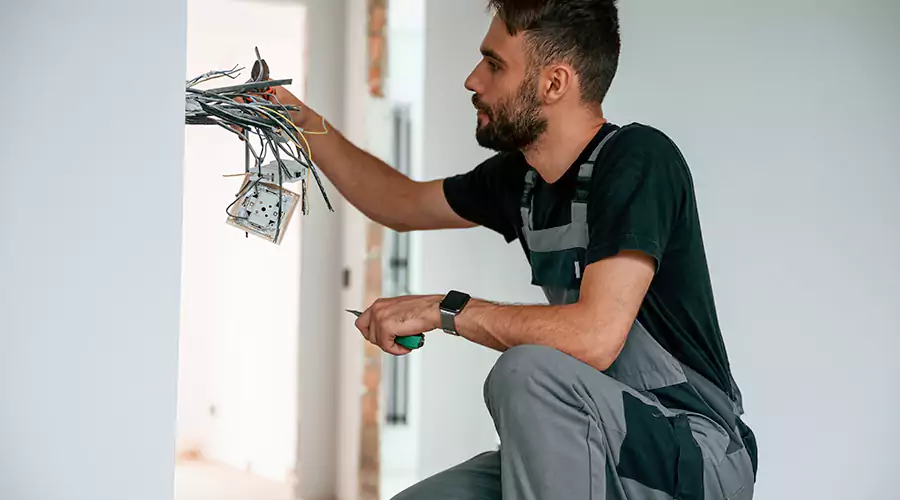
Upgrade to LED lighting when your current bulbs use too much energy or burn out often or produce excess heat. LED lights use less electricity and last much longer which lowers utility costs and reduces maintenance. They also provide consistent brightness which improves visibility in every room. Most homes can switch to LED with simple bulb replacement, while some upgrades may also include light fixture installation for improved performance and compatibility. Older fixtures may need updates for full compatibility. This upgrade improves safety and efficiency while supporting modern lighting needs. A licensed electrician can help with proper installation and ensure your lighting system performs reliably over time.
LED Lighting Reduces Energy Use in Every Room
LED bulbs use a fraction of the electricity required by incandescent or halogen bulbs. This efficiency comes from how LEDs convert energy into light instead of heat.
Lower energy use reduces monthly utility costs. Homes with many fixtures see the greatest savings over time.
Energy efficient lighting also reduces strain on your electrical system. This helps circuits operate within safe limits.
Longer Lifespan Lowers Maintenance Effort
LED bulbs last significantly longer than traditional lighting options. Many models operate for years under normal household use.
Fewer replacements reduce the need for frequent maintenance. This is especially helpful for high ceilings or outdoor fixtures.
Long lifespan also lowers long term costs. Homeowners spend less on replacement bulbs and labor.
Improved Light Quality Enhances Daily Living
LED lighting provides stable brightness without flicker. This improves comfort during reading or cooking or working.
Color temperature options allow you to choose warm or cool lighting. Warm light suits living spaces while cool light supports task areas.
High color accuracy improves visibility. This makes LED lighting ideal for kitchens and bathrooms.
Reduced Heat Output Improves Safety
Traditional bulbs release a large amount of heat. LED bulbs remain cool during operation which lowers fire risk.
Lower heat output also protects fixtures from damage. This extends the life of lamps and housings. Cooler operation improves indoor comfort. This is useful in small rooms or enclosed lighting areas.
When to Replace Existing Lighting With LED
Upgrade when bulbs burn out frequently or energy bills increase. Flickering lights or dim output also indicate poor performance.
Outdated fixtures may not support efficient lighting. Replacing these fixtures improves both safety and efficiency.
Renovation projects provide an ideal time for a full lighting upgrade. Planning ahead ensures better results.
Compatibility With Fixtures and Dimmers
Many LED bulbs fit standard sockets which makes installation simple. Some systems require compatible dimmers for proper operation.
Incorrect dimmers can cause flicker or buzzing. An electrician can install the right controls to match your lighting.
This step ensures smooth performance and full brightness control. Proper compatibility improves user experience.
Understanding Brightness and Watt Equivalence
LED bulbs use watts differently than traditional bulbs. Brightness is measured in lumens rather than watts.
Higher lumens mean brighter light. This helps homeowners choose the correct bulb for each space.
Selecting the right brightness improves comfort and efficiency. It also prevents over lighting or under lighting.
LED Lighting and Smart Home Integrationn
LED technology supports smart home systems. Smart bulbs allow control through mobile apps or voice commands.
Users can adjust brightness and schedules easily. This improves convenience and energy management.
Smart lighting also enhances security by automating lighting patterns. This feature adds value to modern homes.
Environmental Benefits of Switching to LED
LED lighting reduces overall energy consumption. Lower demand helps reduce environmental impact.
Longer lifespan means fewer bulbs are discarded. This reduces landfill waste over time.
Many LED products do not contain hazardous materials. This improves safety during disposal.
Cost Considerations and Long Term Savings
LED bulbs cost more upfront than traditional options. Long term savings come from lower energy use and fewer replacements.
Over time the total cost of ownership becomes lower. This makes LED lighting a practical investment.
Energy savings increase as more fixtures are converted. Whole home upgrades provide the best return.
Common Mistakes During LED Upgrades
Choosing the wrong brightness can affect room comfort. Selecting incorrect color temperature may impact appearance.
Using incompatible dimmers can reduce performance. Ignoring fixture compatibility may lead to poor results.
Planning your upgrade carefully avoids these issues. Proper selection ensures optimal lighting.
LED Lighting Comparison Table
| Feature | Traditional Bulbs | LED Lighting |
|---|---|---|
| Energy use | High | Low |
| Lifespan | Short | Long |
| Heat output | High | Low |
| Maintenance | Frequent | Minimal |
| Light quality | Inconsistent | Stable |
This table shows how LED lighting improves performance and efficiency.
Understanding LED Lighting Upgrades
LED lighting upgrades improve energy efficiency, reduce maintenance, and provide longer-lasting illumination compared to many traditional lighting options. The process begins with an evaluation of existing fixtures, lighting layout, and electrical compatibility to determine the most suitable LED replacement options.
Upgrades may include installing compatible LED bulbs, fixtures, dimmers, or controls based on the home's lighting needs and existing electrical system. All installations should follow current electrical code requirements and include testing to verify safe operation, proper compatibility, and reliable lighting performance.
What to Expect During an LED Lighting Upgrade
- Lighting system evaluation
- Selection of proper LED products
- Safe installation of fixtures
- Dimmer compatibility setup
- Final testing for performance
This service ensures reliable and efficient lighting throughout the home.
When Full Fixture Replacement is Necessary
Some older fixtures do not support LED bulbs effectively. Replacing fixtures allows better light distribution and performance.
New fixtures also improve the appearance of interior spaces. This upgrade enhances both function and design.
An electrician can recommend fixtures that match your needs and layout.
Impact of LED Lighting on Home Value
LED lighting improves energy efficiency which appeals to buyers. Updated lighting also enhances visual presentation.
Bright and consistent lighting makes rooms feel more inviting. This can increase overall property value.
Energy efficient features often influence buyer decisions. Lighting upgrades support a modern home image.
Maintenance Tips for LED Systems
Keep fixtures clean to maintain brightness. Dust can reduce light output over time.
Check dimmers and drivers if flicker occurs. Replace faulty components to restore performance. Regular inspection ensures long term reliability. Proper care extends the life of your lighting system.
Planning a Whole Home LED Upgrade
A whole home upgrade provides consistent lighting throughout the property. This approach improves efficiency and design.
Start with high use areas such as kitchens and living rooms. Expand to bedrooms and outdoor spaces over time. Working with a professional ensures proper planning. This leads to better results and long term satisfaction.
Final Thoughts on Upgrading to LED Lighting
LED lighting offers strong benefits in energy savings and lifespan and safety. Most homes can upgrade with simple changes or fixture replacements.
Choosing the right products ensures optimal performance. Professional installation helps avoid compatibility issues. Upgrading to LED lighting is a smart step toward a more efficient and modern home.